
Why Ready To Move Villas/Flats Are So Expensive

Why Ready To Move Villas/Flats Are So Expensive

Ready-to-occupy villas and apartments are witnessing higher prices today due to a combination of demand-driven, economic, and infrastructure-related factors. This trend is visible across India and is especially pronounced in growing cities like Coimbatore.

Here’s a clear breakdown of the key reasons:

1. High Demand for Ready-to-Move Properties:

  • Immediate Gratification: Buyers prefer ready-to-occupy homes to avoid construction delays, uncertainties, and long waiting periods. These homes can be occupied immediately or rented out for instant income.
  • Inflation Hedge: Real estate is considered a stable, tangible asset during inflationary periods, making ready properties an attractive wealth-preserving investment.
  • Tax Benefits: Home loan interest and principal repayments provide tax benefits that buyers can start availing immediately with ready-to-move properties.
  • No GST: Ready-to-move homes with completion certificates are exempt from GST, unlike under-construction properties, resulting in significant cost savings.

2. Rising Construction Costs:

  • Material Price Increase: Prices of essential construction materials such as cement, steel, sand, and aggregates have risen consistently.
  • Higher Labor Wages: Both skilled and unskilled labor costs have increased, adding to overall project expenses.
  • Fuel Cost Impact: Increased fuel prices affect transportation and machinery operation, directly increasing construction costs.

3. Land Cost Appreciation:

  • Urban Land Scarcity: In rapidly developing cities like Coimbatore, availability of prime land is shrinking, pushing land acquisition costs higher.
  • Growing Demand: Urbanization and migration toward Tier-2 cities have intensified land demand.

4. Infrastructure Development:

  • Government Initiatives: Investments in metro rail planning, airport expansion, road widening, and smart city projects enhance urban appeal and property values.
  • Improved Connectivity: Enhanced road networks and public transport reduce commute times, increasing the desirability of nearby residential areas.

5. Economic Growth and Disposable Incomes:

  • Strong Economic Base: Coimbatore’s thriving IT, manufacturing, and textile industries generate employment and boost household incomes.
  • Affordable Home Loans: Relatively stable home loan interest rates make homeownership more accessible, encouraging buyer demand.

6. Limited New Supply in Prime Areas:

  • Regulatory and Land Challenges: Delays in approvals and land acquisition restrict new project launches in central and well-developed areas.
  • Developer Focus Shift: Many developers prioritize mid-range and luxury projects due to higher demand, limiting affordable ready inventory.

7. Lifestyle and Amenity Premium:

  • Gated Community Living: Ready-to-occupy villas and apartments often include premium amenities such as clubhouses, swimming pools, gyms, landscaped gardens, and 24/7 security.
  • Modern Design and Quality: Contemporary architecture, smart home features, and superior finishes attract aspirational buyers willing to pay a premium.

In cities like Coimbatore, factors such as the rapid growth of the IT corridor (Saravanampatti and Peelamedu), its popularity as a retirement destination, and continuous infrastructure upgrades are driving property value appreciation. While ready-to-occupy homes come at a higher price, they are widely viewed as a secure and future-ready investment.
Villas In Gated Community Vs Plotted Development

Villas In Gated Community Vs Plotted Development

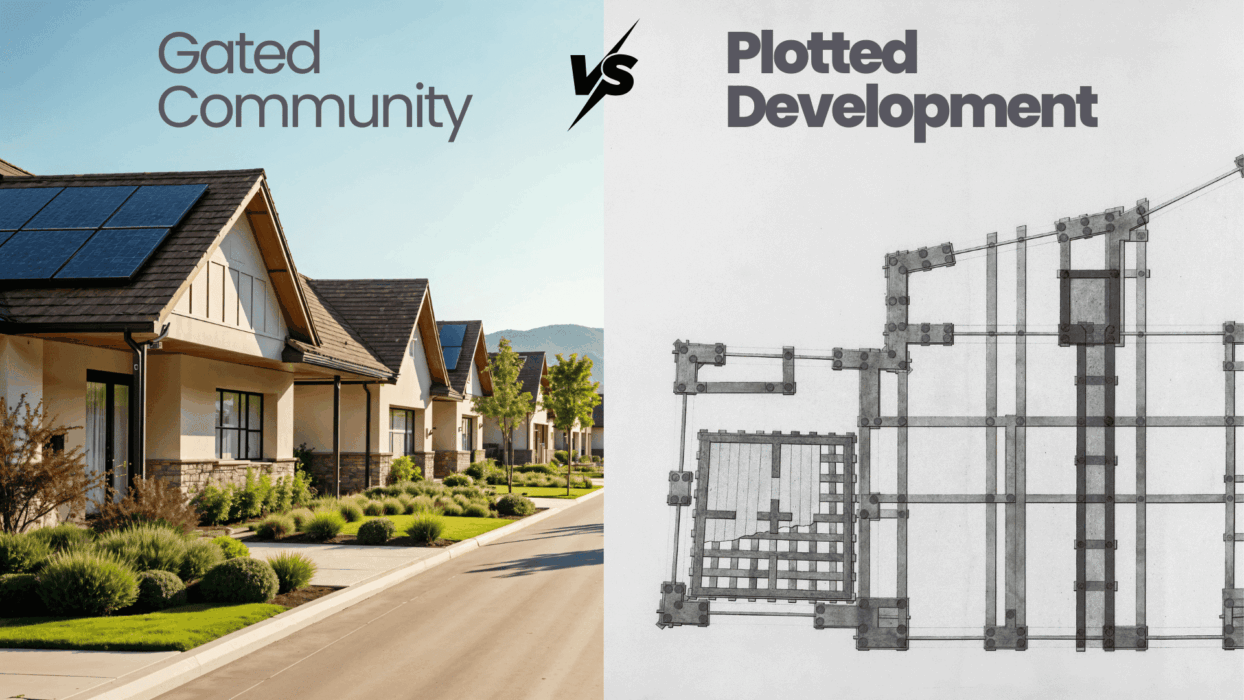
The distinction between a villa in a gated community and a villa in a plotted development lies mainly in the level of infrastructure, shared amenities, security, and ongoing management. While both options allow you to own an independent home, the overall living experience and responsibilities differ significantly.

Here’s a detailed breakdown:

1. Villa in a Gated Community:

  • What it is: You purchase a ready-built villa (or sometimes a plot with a construction package) within a fully developed, enclosed, and professionally managed residential community.
  • Ready Infrastructure: Internal roads, drainage systems, street lighting, and utility connections such as water and electricity are already in place and maintained to a consistent standard.
  • Enhanced Security: Gated communities offer controlled entry and exit points, security guards, CCTV surveillance, boundary walls, and often regular patrolling, providing a higher level of safety and peace of mind.
  • Shared Amenities: Residents enjoy access to common facilities such as clubhouses, gyms, swimming pools, parks, playgrounds, jogging tracks, sports courts, and community halls.
  • Professional Management: A Homeowners’ Association (HOA) or management body handles maintenance of common areas, amenities, and community rules. This involves regular maintenance charges.
  • Standardized Aesthetics: Exterior design guidelines, paint colors, and landscaping rules ensure a uniform and visually appealing environment, though this limits exterior customization.
  • Community Living: These developments encourage social interaction through shared spaces and organized events, fostering a strong sense of community.
  • Higher Initial Cost: Villas in gated communities typically cost more due to premium amenities, security features, and developed infrastructure.

2. Villa in a Plotted Development:

  • What it is: You primarily purchase a plot of land within a planned layout. The construction of the villa is usually your responsibility, giving you full control over the building process.
  • Plot-Centric Ownership: The main value lies in owning the land, allowing complete freedom in designing and constructing your home based on personal preferences and budget.
  • Basic Infrastructure: Developers generally provide essential infrastructure such as internal roads, electricity lines, and water connections up to the plot, though quality and completeness may vary.
  • Limited Shared Amenities: Some plotted developments may include basic facilities like small parks or common spaces, but amenities are minimal compared to gated communities.
  • Less Security: Security arrangements are usually limited unless the layout is a gated plotted development. Homeowners are responsible for securing their own property.
  • Greater Customization: You have full freedom over architectural design, materials, interiors, and landscaping, making it ideal for a fully personalized home.
  • Individual Responsibility: Construction, maintenance, and security are entirely the owner’s responsibility, with little to no HOA involvement or recurring fees.
  • Lower Initial Cost: Purchasing only the plot generally requires less upfront investment, though construction costs must be planned separately.
  • Flexible Construction Timeline: You can choose when to build and proceed at your own pace, offering flexibility in financial planning.

Sewage Treatment Plant

Sewage Treatment Plant

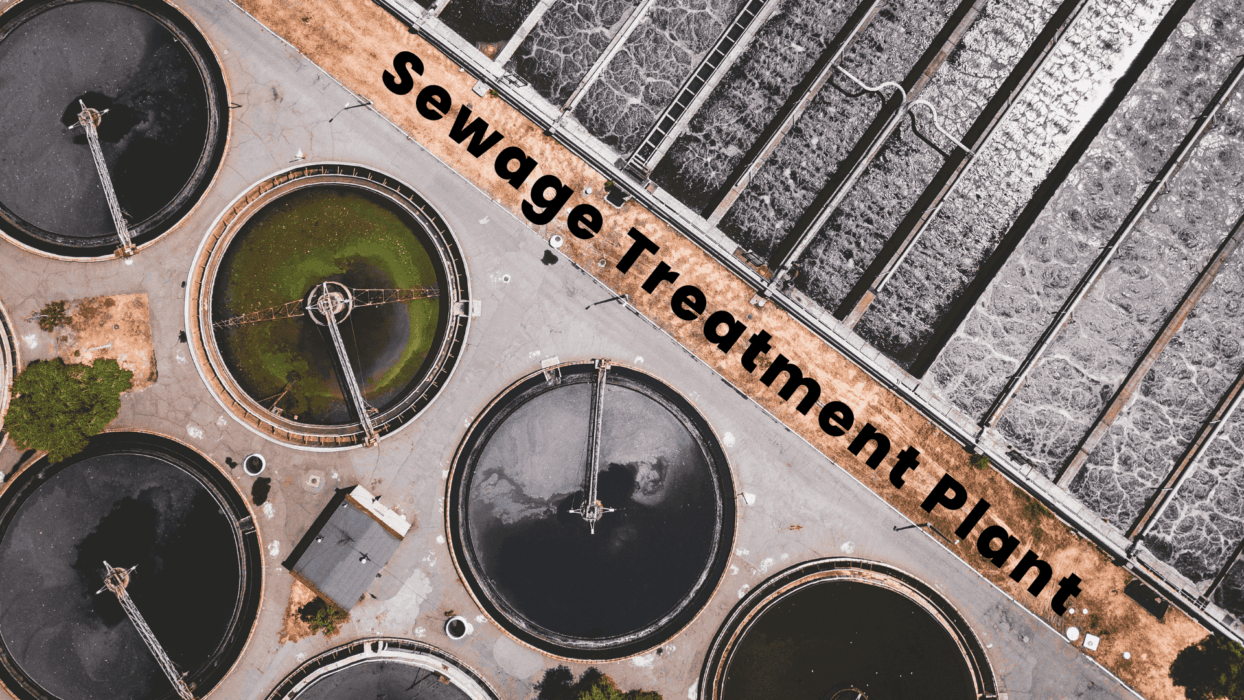
Sewage Treatment Plants (STPs) are crucial facilities that clean wastewater from homes, businesses, and industries before it’s released back into the environment or reused. They mimic and enhance natural processes to remove contaminants through a series of physical, biological, and sometimes chemical stages.

Here’s a breakdown of how STPs typically function:

1. Preliminary Treatment:

  • Screening: Raw sewage first passes through large screens or bar racks.3 These remove large objects like rags, plastics, debris, and other solid materials that could damage pumps and equipment in later stages.
  • Grit Removal: The screened wastewater then flows into grit chambers.5 Here, the flow is slowed down, allowing heavier inorganic materials like sand, gravel, and grit to settle to the bottom by gravity. This prevents abrasion and wear on downstream machinery.
  • Flow Equalization (Optional): Some plants include basins to regulate the flow of sewage, preventing sudden surges during peak periods and ensuring a more consistent treatment process.

2. Primary Treatment:

  • Primary Sedimentation: The wastewater enters large settling tanks, also known as clarifiers. In these tanks, the water moves very slowly, allowing lighter solids (organic matter) to settle to the bottom, forming what’s called “primary sludge.” Lighter materials like oils and grease float to the surface as “scum.”
  • Sludge and Scum Removal: Mechanical scrapers or other systems collect the primary sludge from the bottom and skim the scum from the surface. These are then transferred for further sludge treatment. This stage typically removes about 50-70% of suspended solids.

3. Secondary Treatment (Biological Treatment):

  • This is the core biological stage where dissolved and suspended organic matter is removed. It relies on microorganisms to break down pollutants.
  • Aeration/Activated Sludge Process: The wastewater from primary treatment is pumped into aeration tanks. Air is vigorously bubbled through the water, providing oxygen for beneficial aerobic bacteria and other microorganisms to thrive. These microorganisms consume the organic pollutants, converting them into harmless byproducts like carbon dioxide, water, and more microbial mass (activated sludge).
  • Secondary Sedimentation: After aeration, the mixture flows into secondary settling tanks. Here, the “activated sludge” (microorganisms that have consumed the organic matter) settles to the bottom. A portion of this activated sludge is recycled back to the aeration tanks to maintain a healthy microbial population, while the excess is sent for sludge treatment. The clarified water, now much cleaner, flows out from the top. This stage significantly reduces the Biological Oxygen Demand (BOD) of the water.
  • Other Secondary Methods: Other biological methods include trickling filters (where wastewater trickles over media with microbial films) and oxidation ponds/lagoons (large, shallow ponds for natural biological treatment).

4. Tertiary Treatment (Advanced Treatment – Optional but Increasingly Common):

  • This stage is used to achieve higher water quality for discharge into sensitive environments or for specific reuse applications.
  • Filtration: The effluent may pass through filters (e.g., sand filters, membrane filters) to remove any remaining fine suspended solids and improve clarity.
  • Disinfection: To eliminate any remaining pathogenic microorganisms, the water is disinfected using methods like chlorine, ultraviolet (UV) light, or ozone.
  • Nutrient Removal: In many areas, regulations require the removal of excess nutrients like nitrogen and phosphorus, which can cause algal blooms and other environmental problems in receiving waters. This can involve biological or chemical processes.
  • Advanced Oxidation Processes (AOPs): Some STPs employ AOPs to break down persistent organic pollutants and chemicals.

5. Sludge Treatment and Disposal:

  • The sludge generated from the primary and secondary treatment stages is a concentrated byproduct that also needs to be treated.
  • Thickening: Sludge is often thickened to reduce its volume.
  • Digestion: Sludge undergoes anaerobic digestion (in the absence of oxygen) where bacteria break down the organic matter, producing biogas (rich in methane) which can be used as a renewable energy source for the plant. Alternatively, aerobic digestion can be used.
  • Dewatering: The digested sludge is then dewatered (e.g., using centrifuges or filter presses) to further reduce its volume, creating a solid “biosolid” cake.
  • Disposal/Reuse: The treated biosolids can be disposed of in landfills, incinerated, or, if meeting strict quality standards, used as fertilizer in agriculture.

The ultimate goal of a sewage treatment plant is to produce an effluent that is safe to discharge back into rivers, lakes, or oceans, or to be reused for non-potable purposes like irrigation, industrial processes, or toilet flushing, thereby protecting public health and the environment.

Gated Community

Gated Community

A gated community is a type of residential community or housing estate that is characterized by strictly controlled entrances for pedestrians, bicycles, and automobiles, and often a closed perimeter of walls or fences.

Here’s a breakdown of its key characteristics:

Controlled Access:The most defining feature is the restricted entry. This typically involves:

  • Gates: Physical barriers that limit who can enter and exit.
  • Security Personnel: Guards who monitor entrances, verify visitors, and patrol the community.
  • Electronic Access Systems: Keycards, access codes, or intercoms that allow authorized entry.
  • CCTV Surveillance: Cameras monitoring common areas and entry points.

Enclosed Perimeter: Gated communities are usually surrounded by walls, fences, or natural barriers, creating a distinct boundary from the outside world.

Privacy and Security: These are often the primary motivations for residents choosing a gated community. The controlled environment aims to reduce unauthorized access, crime, and unwanted solicitations, providing a greater sense of safety and peace of mind.

Shared Amenities: Many gated communities offer exclusive amenities for their residents, which can include:

  • Clubhouses
  • Swimming pools
  • Gyms and fitness centers
  • Parks and playgrounds
  • Sports facilities (tennis courts, basketball courts, etc.)
  • Walking and jogging tracks
  • Landscaped common areas

Community Living: Despite the emphasis on privacy, gated communities often foster a strong sense of community among residents through shared spaces, events, and a common set of rules and regulations managed by a homeowners’ association (HOA) or similar body.

Reduced Traffic and Noise: The restricted access typically leads to less through-traffic and a quieter, more peaceful environment within the community.

Well-Maintained Infrastructure: Gated communities often have dedicated management teams that ensure the upkeep of roads, landscaping, and shared facilities.

Types: Gated communities can include various types of housing, such as:

  • Apartments
  • Villas
  • Row houses/Townhouses

While gated communities offer several benefits like enhanced security and exclusive amenities, they can also come with higher costs (including HOA fees), stricter rules and regulations, and sometimes a location further from city centers.

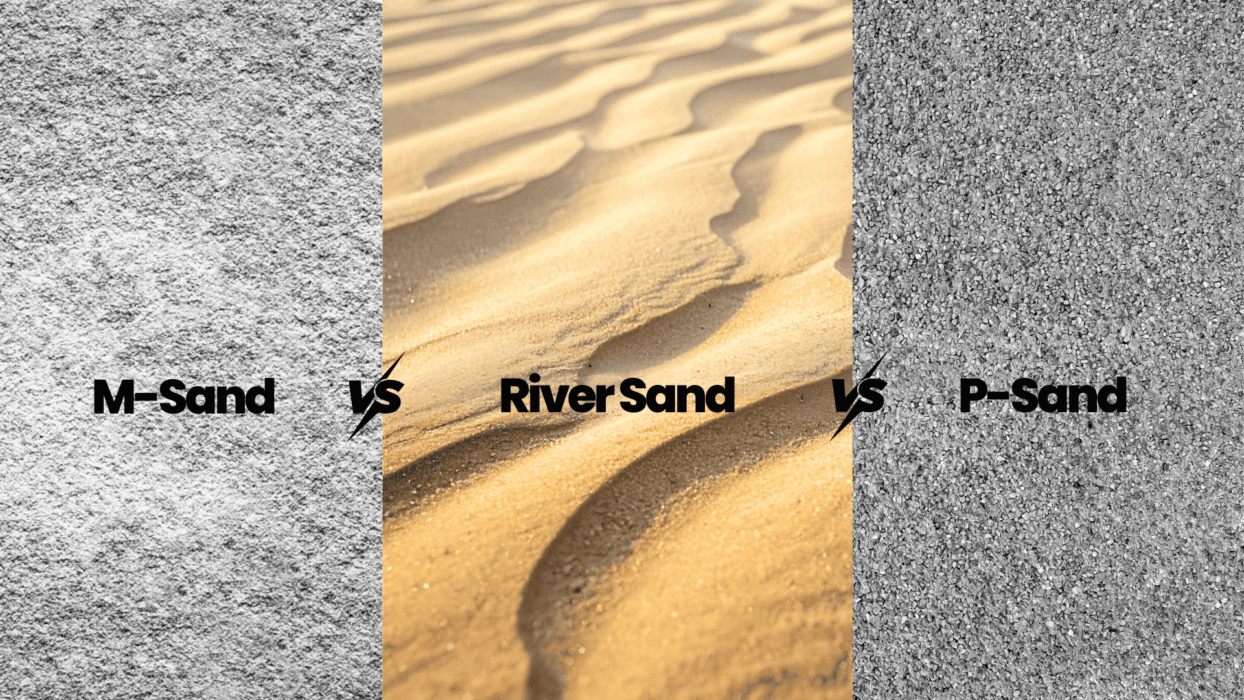
Choosing the Right Sand: River Sand vs. M-Sand vs. P-Sand

Choosing the Right Sand: River Sand vs. M-Sand vs. P-Sand

In the world of construction, “sand” isn’t just one material. It is the essential “fine aggregate” that binds with cement and water to create the backbone of our homes and infrastructure.

If you are planning a renovation or building a new home, you’ve likely heard your contractor mention River Sand, M-Sand, and P-Sand. While they may look similar at a glance, using the wrong type in the wrong place can compromise the strength and finish of your project.

1. River Sand (The Traditional Choice)

River sand is a natural product formed by the weathering of rocks over centuries, collected from riverbeds. It has been the go-to material for decades due to its accessibility and natural properties.

  • Characteristics: It has rounded, smooth particles because of the natural erosive action of water.
  • Best Used For: General construction and concrete work.
  • Pros: It is easy to work with and contains fewer voids, meaning it requires less water when mixing.
  • Cons: It often contains impurities like clay, shells, and organic matter that must be washed out. More importantly, heavy mining of riverbeds causes significant environmental damage, leading many regions to ban or strictly regulate its use.

2. M-Sand (Manufactured Sand)

As river sand became scarce and environmentally costly, Manufactured Sand (M-Sand) emerged as the superior alternative. It is produced by crushing hard granite rocks into fine particles.

  • Characteristics: The particles are angular and have a rougher surface texture compared to river sand.
  • Best Used For: All types of structural work, including high-strength concrete, beams, columns, and foundations.
  • Pros:
    • Purity: Since it is manufactured in a controlled environment, it is free from silt and organic impurities.
    • Strength: The angular shape provides a better “interlocking” bond with cement, leading to stronger structures.
    • Eco-Friendly: It reduces the need to dredge riverbeds.
  • Cons:
    • It can be slightly harsher to work with than smooth river sand, requiring precise water-to-cement ratios.

3. P-Sand (Plastering Sand)

P-Sand is a specialized version of M-Sand specifically designed for finishing work. While structural M-Sand is coarse, P-Sand is processed to be much finer.

  • Characteristics: It is exceptionally fine and usually passed through a series of sieves (specifically a 150-micron sieve) to ensure a powdery consistency.
  • Best Used For: Internal and external wall plastering and brickwork.
  • Pros: It gives walls a smooth, crack-free finish. Because it is highly refined, it reduces the “rebound loss” (sand falling off the wall) during the plastering process.
  • Cons: It cannot be used for structural concrete because its particles are too fine to provide the necessary strength for heavy loads.

Quick Comparison Table

FeatureRiver SandM-Sand (Crushed)P-Sand (Plastering)
OriginNatural (Riverbeds)Factory (Crushed Granite)Factory (Finely Crushed)
ShapeRounded / SmoothAngular / RoughVery Fine / Granular
Silt ContentHigh (Needs washing)Zero / MinimalZero
StrengthModerateVery HighLow (Not for load-bearing)
Primary UseConcrete & MasonryFoundations, Beams, SlabsWall Plastering

Which one should you choose?

The modern industry standard is moving toward a hybrid approach. For the “skeleton” of your house (the foundation, pillars, and roof), M-Sand is the most reliable and cost-effective choice. For the “skin” of your house (the walls), P-Sand ensures a beautiful, smooth finish that requires less paint.

By choosing manufactured sands, you aren’t just getting a more consistent product; you’re also making a greener choice for the planet.

Would you like me to calculate the estimated quantity of sand you might need based on your project’s square footage?

10 things you must know about home loan pre-EMIs

Pre-EMI refers to a payment scheme in which a borrower starts paying the interest component of a loan amount disbursed by a lender before the commencement of the actual Equated Monthly Installments (EMIs). This payment is usually applicable for home loans or property loans, where the loan amount is disbursed in parts or stages instead of the entire amount at once.

In such cases, the borrower is required to pay only the interest component of the loan amount disbursed until the loan tenure commences. This is known as pre-EMI. The borrower continues to pay the pre-EMI until the full loan amount is disbursed, after which the actual EMI payment starts.

Here are 10 things you must know about home loan pre-EMIs:
Definition

Pre-EMI is a type of loan repayment scheme in which the borrower pays only the interest component of the loan amount disbursed until the loan tenure commences.

Purpose

Pre-EMI payments are made by borrowers who have availed of a partial disbursement of their loan amount and want to start repaying the interest component of the disbursed loan amount before the actual EMI payments start.

Calculation

Pre-EMIs are calculated on a daily basis on the amount disbursed by the lender and the applicable interest rate. The borrower is required to pay the pre-EMI amount every month until the actual EMI payments start.

Amount

The amount of pre-EMI payments depends on the loan amount disbursed, interest rate, and the time gap between the disbursal of the loan amount and the commencement of the EMI payments.

Duration

The duration of pre-EMI payments depends on the time gap between the disbursal of the loan amount and the commencement of the EMI payments.

Interest

The interest component of the pre-EMI payments is usually lower than the EMI payments, as the pre-EMI payments are made only on the disbursed loan amount.

Tax Benefit

Pre-EMI payments do not offer any tax benefit to the borrower. The tax benefit can be availed of only when the actual EMI payments start.

Impact on Credit Score

Pre-EMI payments do not have any impact on the borrower’s credit score as long as the payments are made on time.

Prepayment

Pre-EMI payments cannot be considered as prepayment of the loan amount, as they do not reduce the principal amount of the loan.

Pre-EMI vs Full EMI

It is advisable to opt for full EMI payments if the borrower has the capacity to repay the entire loan amount. Pre-EMI payments can increase the overall cost of the loan as the borrower has to pay the interest component of the disbursed loan amount for a longer duration.

Adhil Shetty, CEO, Bankbazaar.com, says, “You can choose between a pre-EMI and a full EMI option when buying an under-construction property. In a pre-EMI plan, you need to pay only the interest on the disbursed amount till you get possession of the property or at the end of the moratorium period (usually around 2-3 years), whichever is earlier. On the other hand, in a full EMI option, you have to start paying the EMI immediately, regardless of the bank disbursing the loan partially or completely. Under the full EMI option, the EMI is calculated on the entire loan amount and not on the amount disbursed by the bank until that time.”

“Apart from the above-mentioned EMI options, banks may also offer additional variations in home loan products; as such, you’ll be well-advised to inquire about different types of EMI options available with your preferred bank before finalising your lending decision,” adds Shetty.

If you are opting for a Pre-EMI scheme, there are certain things that you should check before signing up for it. Here are a few important things to keep in mind:

Interest Rate

Check the interest rate charged on the pre-EMI payments. Ensure that it is reasonable and within your budget.

Payment Frequency

Verify the frequency of pre-EMI payments. Ensure that the payment schedule is convenient for you and aligns with your income cycle.

Disbursement Schedule

Understand the disbursement schedule of the loan amount. Ensure that the lender disburses the loan amount as per the agreed schedule, and there are no delays or discrepancies.

Check if the lender charges any prepayment penalties for making prepayments or repaying the loan before the actual EMI payments start. Opt for a scheme that offers flexible prepayment options. If you still have any doubts, you must feel free to clarify the same from the lender before you sign a loan agreement.

Sreevatsa Times

Press Release

press image
press image
press image

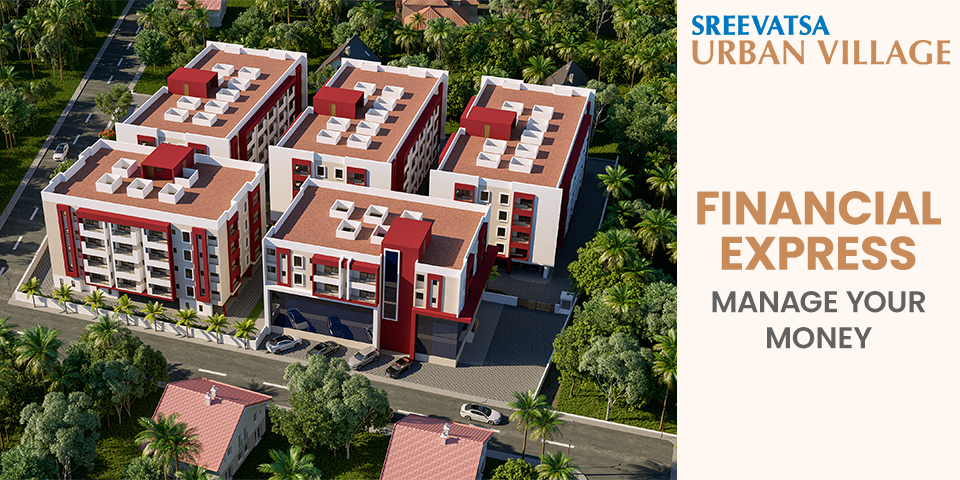
FinancialExpress – Manage Your Money

Living on rent or buying a house? Do’s and Don’ts of investing in residential real estate: Manage Your Money

What’s better – living on rent or buying a house? Is home loan a viable option or is it wiser to accumulate wealth to buy in cash? FinancialExpress.com Manage Your Money talked about the advantages and disadvantages of both, about buyer protection laws, investment in real estate for rental income, among other areas related to putting one’s money in the residential properties. Indian mentality is typically around ‘roti, kapda aur makaan’ and that in ways, act as a psychological backstop when it comes to investing in residential real estate, Ramesh Ranganathan, CEO, K Raheja Corp Homes, said while speaking at FinancialExpress.com Manage Your Money.

“There are various merits of owning one’s own home. First, it brings in a systematic discipline towards investing over a period of time. And if invested smartly, the right kind of project also acts as an inflation hedge. So I strongly believe that owning an asset is something one should start early in their career,” he said.

While that’s true for most Indians, according to Magicbricks’ India Rental Housing Update, total rental housing demand (searches) in 13 Indian cities jumped by about 15.8 per cent quarter on quarter (QoQ) and 6.7 per cent year on year (YoY), while the cumulative rental housing supply (listings) increased 30.7 per cent QoQ and 101.5 per cent YoY across the cities mapped, during January-March 2022. “Buying a house is a long commitment and renting gives you a cushion till the time you reach a stage where you can enter into that commitment,” said Amarendra Sahu, Co-founder & CEO, NestAway Technologies Pvt Ltd.

Read More: Rental housing demand in Indian cities grew 15.8% QoQ in Q1, 2022: Report

What’s the right time and right way to invest in residential real estate?


Investing in residential real estate vs renting a home has been an ongoing debate for years now, but a do(s) and don’t(s) list of real estate investment seems like the right way to go about it.

Right time of investment


When one is looking to buy a home, they need to look at their ‘disposable income so that it doesn’t become a stress’ for the buyers. Amarendra Sahu added, “Buying a home is an anchor experience. I would say pace yourself; when you are going to buy a house and ensure that you have enough liquidity.” However, as Ramesh Ranganathan asserted, today’s generation has more disposable income and they are being able to invest in real estate much earlier than what the earlier generations did.

Right kind of investment


“From a financial planning point of view, we recommend that EMIs should be limited to 30 per cent of your take-home income. If you are going for 50 per cent or 60 per cent, your other important financial goals get impacted. Also, go for 30-40 per cent down payment,” said Mrin Agarwal, Founder Director, Finsafe India Pvt Ltd. Besides streamlining this, one needs to look at the location of the property, the accessibility of the property to basic public conveniences, the builder one is buying into, how well the society is managed, if its a heterogeneous society, etc. while making the final investment decision. Also, post the pandemic, buyers have started looking at bigger spaces and also green open spaces around the properties. “The value of space is truly being appreciated now and also, offering the urban forest experience is the effort that is genuinely being made by the developer communities today,” said Ramesh Ranganathan.

Right way of investing


Once you are clear about the kind of investment you want to make, where you want to live, etc., a major tick mark that one needs to look at is the due diligence documentation. “I do not agree with the mindset wherein people feel that it is safe to invest in a property once the bank has already sanctioned the loan on it. There are various other factors to be considered while buying a home,” said Mrin Agarwal. Further, it is also very important to have insurance aligned with your home loan, in case one is going for a loan. “Indians are mostly un-insured and they look at buying insurance as an added expense, especially when they are buying it for loan purposes,” she added.

Right expectations from the investment


Once you have invested in a property, one needs to set the right kind of returns expectations from the same. “Do not expect 25 per cent kind of returns in residential real estate because that’s not happening, given the rental yields and capital appreciation,” said Mrin Agarwal. Adding to the same, Ramesh Ranganathan maintained that if one is looking at investing in residential real estate for rental income, it’s wiser to invest in commercial real estate instead.

about us

Sreevatsa Real Estates (P) Ltd was incorporated in 1995 at Coimbatore. It has carved a niche for itself within a short span of time.

Address

Sreevatsa Real Estates (P) Ltd.,
324, Mettupalayam Road,
Coimbatore – 641 043.

© 2022 Sreevatsa Real Estates Pvt Ltd | All Rights Reserved by VenPep
Girl in a jacket